Melatonin is one of the most commonly used sleep supplements, but it is not the only option people consider when trying to improve their nighttime routine. Some people prefer to avoid supplements altogether, while others find that melatonin does not address the reason they struggle to wind down in the evening.
Natural sleep support is usually less about finding one ingredient that forces the body into sleep and more about creating the right conditions for rest. A consistent routine, reduced evening stimulation, relaxation practices, and thoughtful choices around food and lifestyle can all contribute to a better transition into bedtime.
The most effective approach is often a combination of small habits that work together. Rather than searching for a single solution, many people find that building a calmer evening routine creates a more sustainable foundation for better sleep.
Why People Look for Sleep Aids Without Melatonin
People look beyond melatonin for different reasons. Some prefer natural approaches that fit into their existing lifestyle, while others want to focus on improving the habits and environment that influence how easily they relax at night.
Melatonin is involved in regulating the body's sleep-wake cycle, but sleep is influenced by many factors beyond a single hormone. Stress levels, light exposure, daily routines, and evening habits all affect how prepared the body feels for rest.
Natural sleep aids are therefore best viewed as tools that support relaxation and consistency rather than replacements for healthy sleep habits. The goal is not to force sleep, but to create the conditions that allow it to happen more naturally.
How Natural Sleep Aids Support Better Sleep
Different natural sleep approaches work in different ways. Some focus on physical relaxation, while others help create a clearer separation between daytime activity and nighttime rest.
|
Approach |
How it supports a sleep routine |
|
Relaxation practices |
Helps reduce mental and physical stimulation before bed |
|
Evening rituals |
Creates a consistent signal that the day is ending |
|
Nutrition choices |
Helps avoid discomfort that can interfere with rest |
|
Light management |
Supports the body's natural sleep-wake rhythm |
The most useful approach is usually the one that fits into a routine consistently. A simple habit repeated regularly often has more value than a solution that is difficult to maintain.
1. Magnesium and Mineral Support
Magnesium is one of the most commonly discussed natural options for people looking to support relaxation before bed. It plays a role in normal muscle and nervous system function, which is why many people include magnesium-rich foods or supplements as part of their evening routine.
Foods such as nuts, seeds and leafy greens naturally contain magnesium, while some people choose supplements depending on their personal preferences. However, magnesium is not a guaranteed sleep solution on its own.
Like many natural sleep approaches, it works best as part of a broader routine that includes consistent sleep times, reduced evening stimulation and an environment designed for rest.

2. Herbal Teas and Evening Rituals
A warm herbal tea is one of the simplest ways to create a slower transition into the evening. Chamomile, lemon balm, and valerian are commonly used in bedtime routines because they are naturally caffeine-free and associated with relaxation.
The benefit often comes from the ritual as much as the ingredients themselves. Preparing a warm drink, stepping away from screens, and creating a quiet moment before bed can help signal that the active part of the day is coming to an end.
For many people, repeating the same calming routine each night is what makes it effective. The body responds well to familiar patterns, especially when they are connected with rest.

3. Mad Honey as Part of an Evening Wind-Down Routine
Mad honey is different from typical sleep-focused products because it is not designed around melatonin or marketed as a sleep supplement. Instead, some people include it in their evening routine because of the physical relaxation and slower pace they associate with the experience.
The way people respond can vary depending on factors such as the batch, serving size, and individual sensitivity. Mad honey should not be viewed as a treatment for sleep problems or a guaranteed way to fall asleep. It is better understood as a natural product that some people choose as part of a deliberate evening ritual.
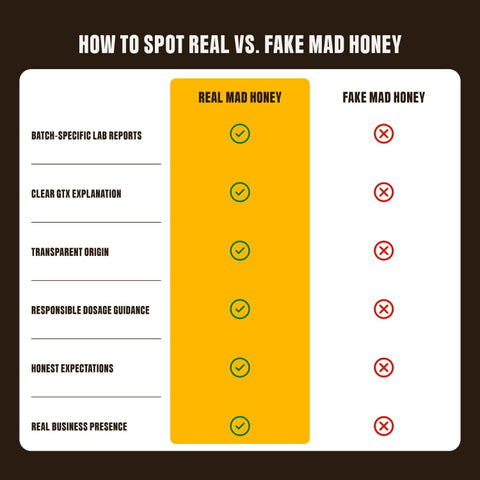
Because mad honey contains naturally occurring grayanotoxins, quality and transparency are important. A responsible seller should provide information about sourcing, testing, and appropriate serving guidance rather than making exaggerated claims about what the product can do.
Real Mad Honey focuses on those factors through Himalayan sourcing, independent batch testing, and published analysis for its products. This gives customers more information about what they are buying and allows them to approach the product with realistic expectations.
4. Creating a Consistent Sleep Routine
One of the most overlooked natural sleep aids is a predictable routine. Going to bed and waking up around the same time helps create structure around the body's natural rhythm and reduces the feeling of constantly adjusting. Maintaining consistent sleep schedules and improving sleep habits are commonly recommended approaches for supporting healthier sleep patterns.
Small changes can make an evening routine easier to maintain, such as lowering lights, reducing stimulating activities, and creating a period of calm before getting into bed. Consistency matters more than perfection. A simple routine followed regularly is usually more useful than an ideal routine that is difficult to maintain.
5. Relaxation Practices Before Bed
Mental and physical tension are common reasons people struggle to switch from daytime activity into a calmer state. Relaxation practices help create a smoother transition by reducing stimulation before bedtime.
Common approaches include:
-
Slow breathing exercises
-
Gentle stretching
-
Meditation
-
Reading instead of scrolling
These habits do not need to take a long time to be useful. Even a short period dedicated to slowing down can help create a clearer boundary between the day and the evening.
6. Supporting Your Natural Sleep Rhythm
Light exposure plays an important role in how the body understands when to be alert and when to begin winding down. Spending time in natural daylight earlier in the day and reducing bright light in the evening can support a healthier sleep routine.
Simple changes, such as opening curtains in the morning, spending more time outside during the day, and using softer lighting at night, help reinforce the natural signals that regulate daily rhythms.
This approach is often overlooked because it feels too simple, but sleep is strongly connected to the patterns the body receives throughout the day.

7. Foods and Natural Products Used in Evening Routines
What happens before bed can influence how comfortable the body feels during the transition into sleep. Heavy meals, excessive caffeine late in the day, and alcohol close to bedtime can all make relaxation more difficult for some people.
Many people prefer lighter evening choices and calming routines that do not create unnecessary stimulation. A warm drink, a small snack, or a quiet ritual can become part of preparing for rest. The focus should not be finding one “sleep food” that solves everything. Instead, it is about creating an evening environment that supports relaxation and consistency.
8. Glycine and Amino Acid Support
Glycine is an amino acid found naturally in the body and in protein-rich foods, and it has become a popular ingredient in some melatonin-free sleep products. Some research suggests that glycine taken before bedtime may support sleep quality and reduce next-day fatigue, although the available evidence is still limited and it should not be viewed as a guaranteed solution for sleep problems.
The reason glycine is interesting is that it may influence processes involved in the body’s transition into sleep, including temperature regulation and nervous system activity. For people who prefer a supplement-based approach without melatonin, glycine is one of the more commonly discussed options alongside ingredients such as magnesium.
As with other natural sleep aids, the context matters. Glycine is unlikely to overcome poor sleep habits, irregular schedules, or excessive evening stimulation on its own. It is better considered as one possible addition to a wider routine focused on relaxation and consistency.
Choosing Natural Sleep Aids With Realistic Expectations
Natural sleep aids can be useful, but the most important factor is whether they fit into a routine that can actually be maintained. A product or habit that becomes part of a consistent evening pattern is usually more valuable than something used occasionally without any wider structure.
Look for Transparency
Natural products should be clear about what they contain, where they come from, and how they should be used. Transparency helps people make informed decisions instead of relying on exaggerated promises.
Avoid Overpromising
No natural sleep aid should be presented as a guaranteed solution. Sleep is influenced by many factors, and realistic expectations are important when choosing any approach.
Choose What Fits Your Routine
The best option is the one that aligns with your lifestyle. Some people prefer a simple tea ritual, others focus on relaxation practices, while others include specific natural products as part of their evening routine.
Bottom Line: Natural Sleep Support Without Melatonin
Natural sleep aids without melatonin can support a calmer evening routine, but they work best alongside consistent habits rather than as a standalone solution. Magnesium, herbal teas, relaxation practices, light management, and intentional nighttime rituals all approach sleep from different directions. The value of these choices comes from how they fit into a broader evening routine rather than from any single ingredient alone.
For those interested in mad honey, it is important to view it as a unique natural product rather than a sleep supplement. Understanding sourcing, testing standards, and responsible use matters more than expecting any single ingredient to solve sleep on its own.